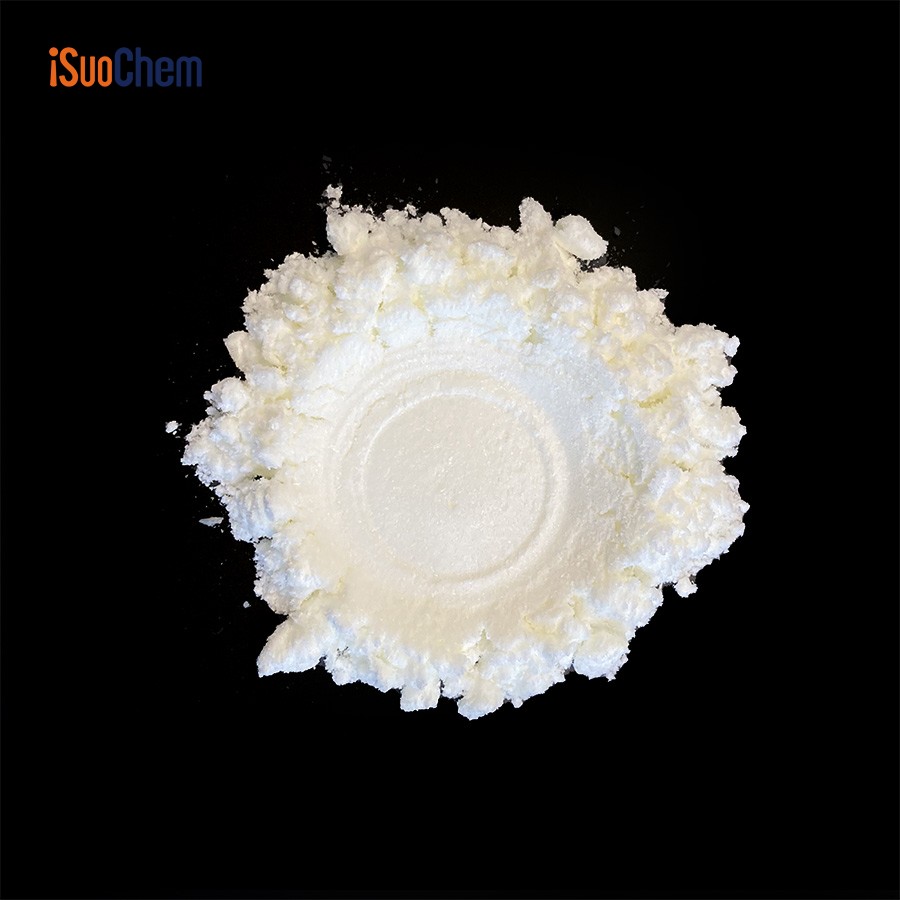
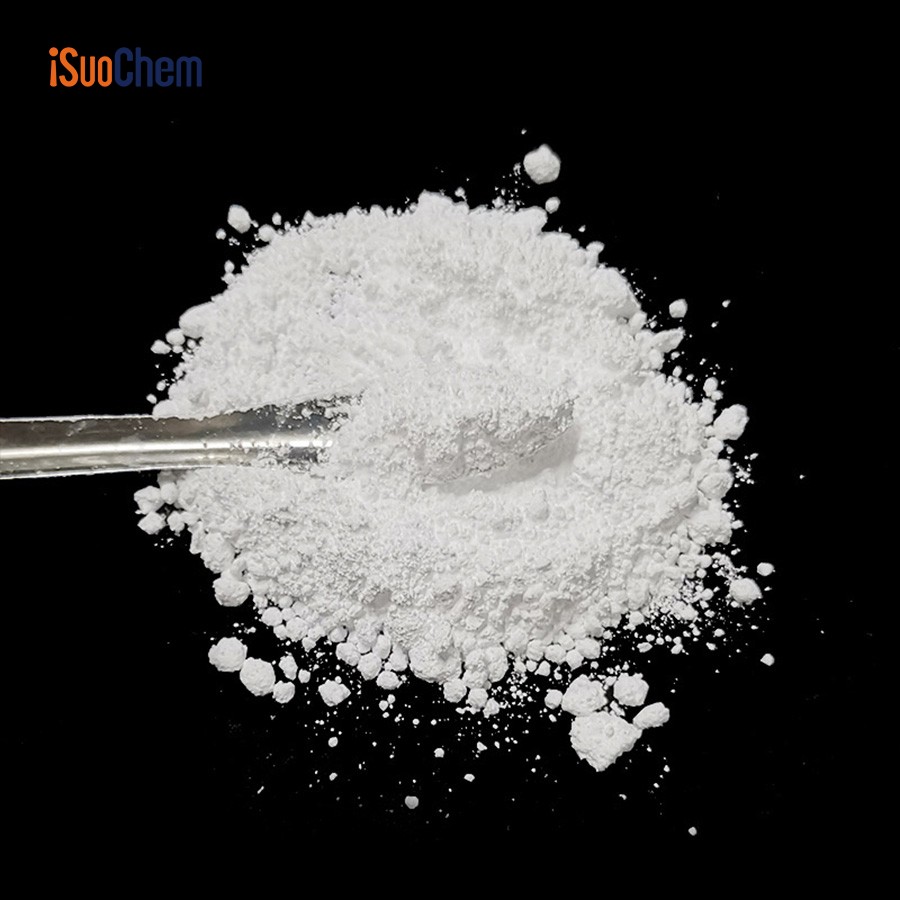
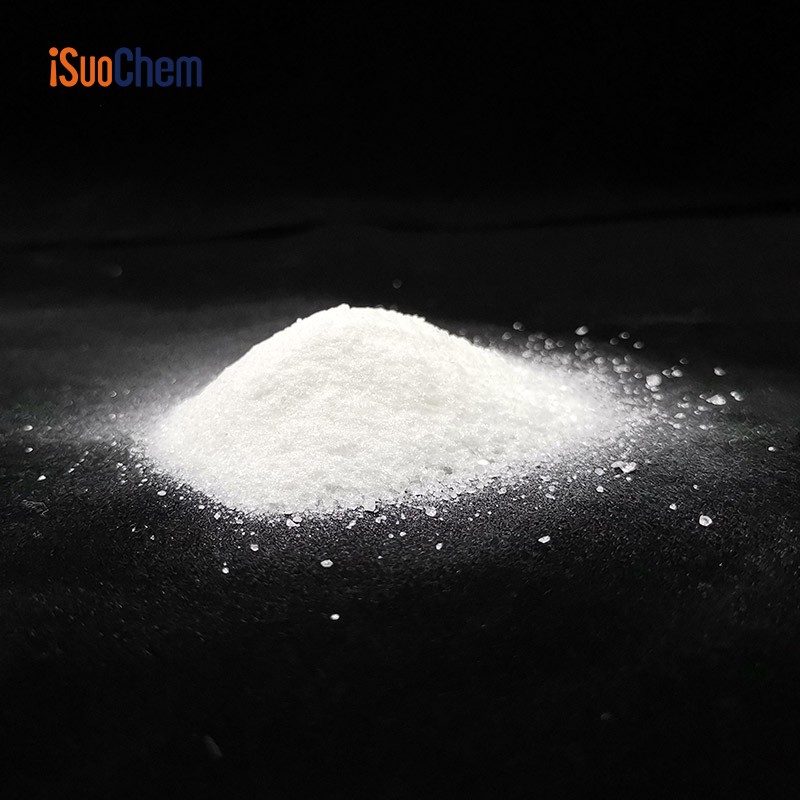
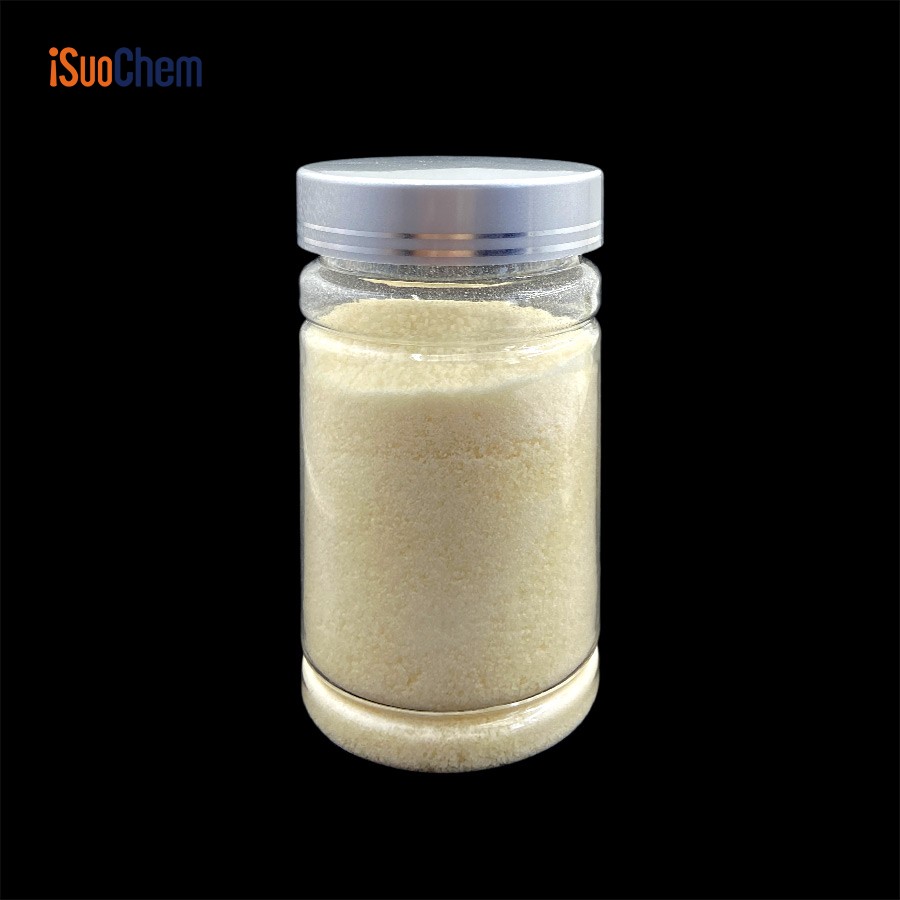
Full Product List: iSuoChem defoamer product series is specifically designed for both oil-based and water-based systems. It's offering performance comparable to internationally renowned brands such as Elementis, BYK, TEGO, BASF, NOPCO, and Dow Corning. Defoamer is widely applied to coatings, inks, adhesives, and industrial cleaning.
Product Name :
Defoamer, DefoamingProduct Code :
DFA SeriesBrand :
iSuoChemAppearance :
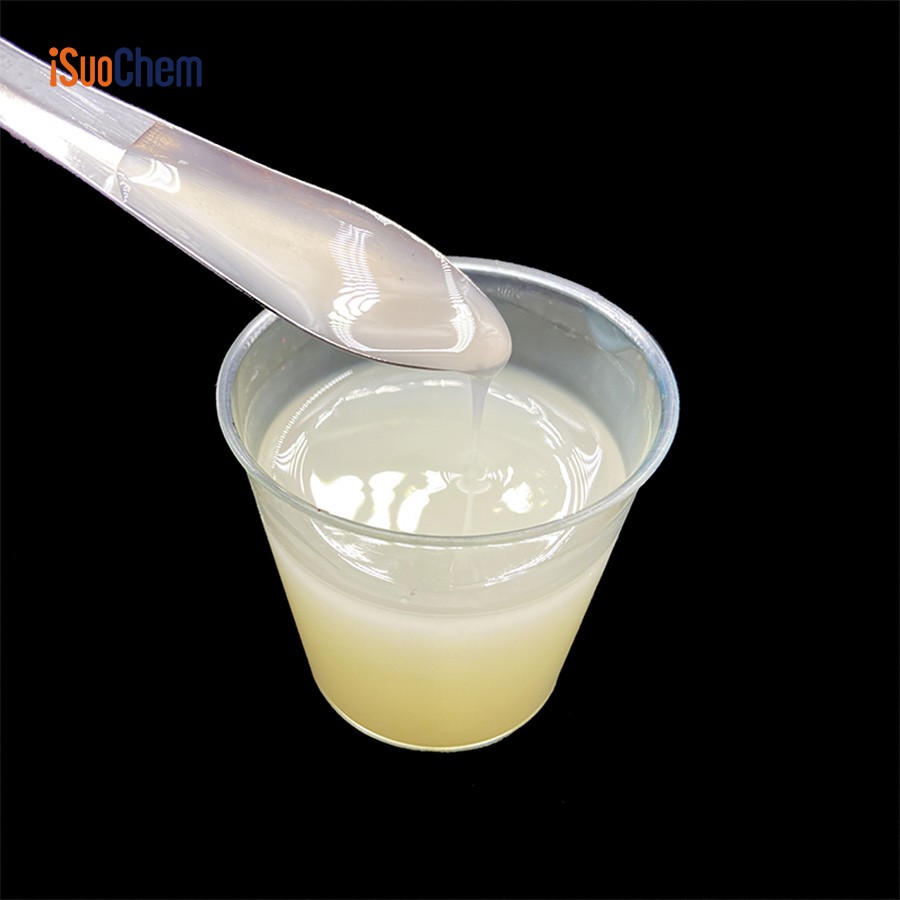
LiquidiSuoChem defoamer is used specifically for oil-based systems. These products feature an active ingredient content of up to 100% (with the exception of certain diluted variants). They not only demonstrate rapid defoaming capabilities but also provide long-lasting foam suppression. Among these, some models have excellent recoating performance and do not cause any damage to the gloss of the paint film surface.
| iSuoChem Model | Equivalent Code | Properties | Solid Content | Performance |
| DFA-680 | Elementis 6800/BYK-085 | Oil based | 100% | Fast defoaming |
| DFA-900 | TEGO-900 | Oil based | 100% | Fast defoaming |
| DFA-052 | BYK-052N | Oil based | 20% | Good general purpose, don't interfere with recoating |
| DFA-066 | BYK-066N | Oil based | 1% | Good general purpose, Cost-effective |
| DFA-141 | BYK-141 | Oil based | 5% | Good general purpose, Cost-effective |
| DFA-106W | BASF WBA | water based | 100% | Mineral oil based, excellent defoaming |
| DFA-107W | NOPCO NXZ | water based | 100% | Mineral oil based, excellent defoaming |
| DFA-130W | TEGO-810 | water based | 100% | Silicone based, fast defoaming |
| DFA-65D | Dow Corning DC65 | water based | 100% | Polyether modified silicone, suitable for water-based ink, coating and adhesive |
| More Models | Contact us to get other models' TDS | / | / | / |



leave a message
Scan to Wechat/Whatsapp :


Hi! Click one of our members below to chat on


 Product categories