Q1 How do UV absorbers work to protect materials?
Ultraviolet absorber will be absorbing harmful UV light in the 290-460 nanometer range. They convert this UV energy into low-energy heat or shorter wavelength electromagnetic waves. Most ideal UV absorbents have a conjugated structure and hydrogen bonds. After absorbing UV light, they convert energy into heat and fluorescence. The hydrogen bonds generated simultaneously undergo tautomerization. This process prevents UV radiation from reaching and damaging the polymer matrix.
Q2 What is the difference between UV-531 and UV-328?
UV-531 is a benzophenone type UV absorber. It works well in PE, PVC, PP, PU, EPDM, EVA, and PMMA. UV-328 is a benzotriazole type UV absorber. It offers broader compatibility with PA, POM, PET, ASA, ABS, PS, HIPS, PU, PVC, coatings, and polyolefins. UV-328 generally provides better long-term durability and lower color contribution. (Equivalent Models: Tinuvin 531 and Tinuvin 328)
Q3 Which UV absorber is best for polycarbonate (PC) applications?
For polycarbonate applications, UV-234, UV-329, and UV-1577 are recommended. UV-234 works well in PC, PA, PU, PS, PET, PBT, and POM. UV-329 is suitable for PC, PVB, POM, PMMA, and ABS. UV-1577 offers excellent performance in PET, PBT, PC, and polyolefins. All three provide good thermal stability and compatibility with PC. (Equivalent Models: Tinuvin 234, Tinuvin 329, and Tinuvin 1577)
Q4 What is the typical addition level for UV absorbers?
Typical addition levels range from 0.2% to 1.0% of total formulation weight. For most plastic applications, 0.3% to 0.5% provides adequate UV protection. For coating applications, follow specific formulation guidelines. For demanding outdoor applications or high UV exposure environments, higher levels up to 1.0% may be needed. Conduct dosage optimization tests for your specific application.
Q5 What is the difference between UV absorbers and HALS?
UV absorbers prevent UV radiation from penetrating the material by absorbing and converting UV energy. HALS (Hindered Amine Light Stabilizers) work by scavenging free radicals generated during UV exposure. UV absorbers are best for thick sections where surface protection is critical. HALS are more effective in thin sections and provide long-term thermal stability. Many formulations use both types for complete protection.
Q6 What is the recommended storage condition for UV absorbers?
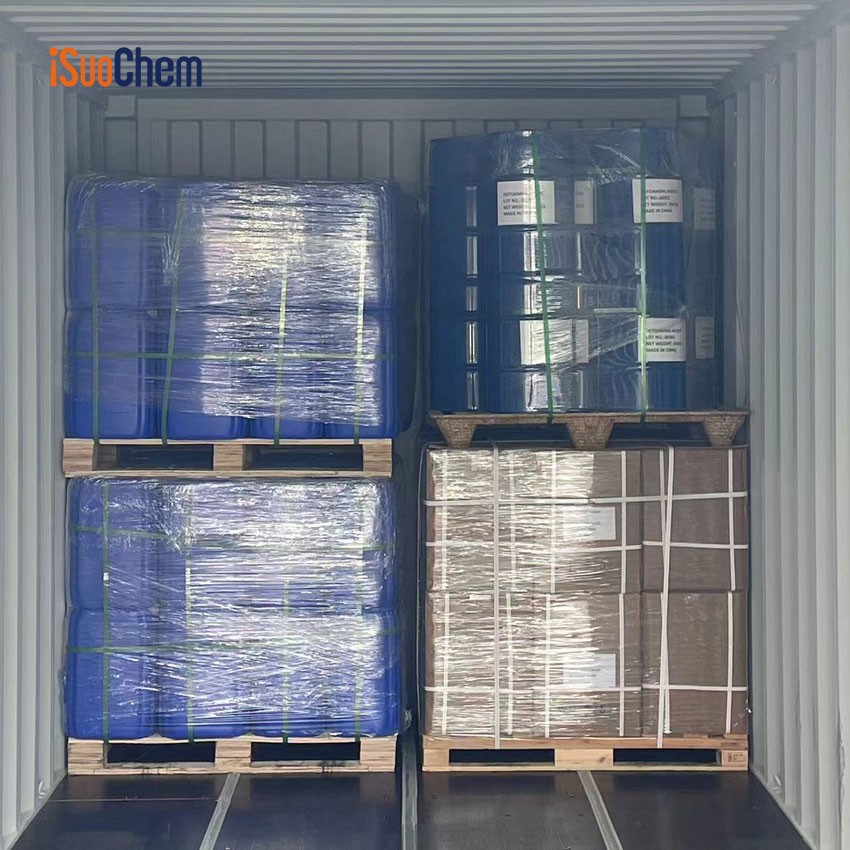
Store UV absorbers in a cool, dry place away from direct sunlight and moisture. Keep containers tightly sealed when not in use. Under proper storage conditions (below 30°C, humidity <60%), shelf life is 24 months from production date. Avoid exposure to strong oxidizers, acids, and excessive heat to maintain product performance.






 Product categories